Oprava skusu: Co potřebujete vědět o obnově poškozených zubních výplní
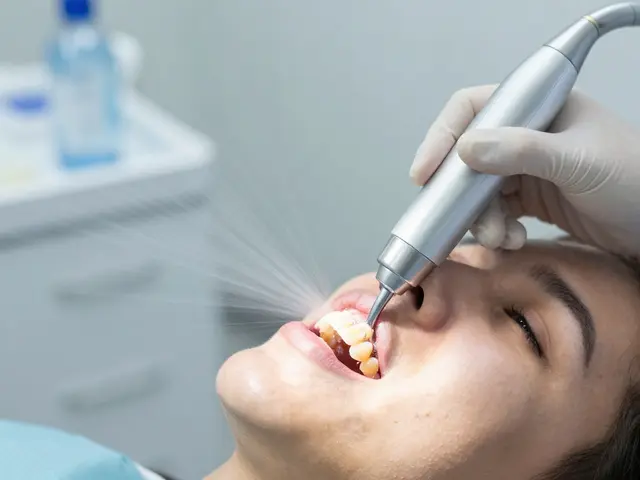
When you feel a rough edge or notice a piece missing from your filling, you’re not just dealing with a oprava skusu, proces obnovy poškozené zubní výplně, který zabrání dalšímu poškození zubu a infekci. Also known as obnova plomby, it’s one of the most common dental procedures — and one you can’t afford to ignore. A cracked or worn filling isn’t just an aesthetic issue. It’s a gateway for bacteria, a trigger for pain, and a slow path to root canal treatment or even tooth loss.
Most fillings — especially the white ones made from composite or glass ionomer — don’t last forever. They wear down from chewing, crack from grinding, or loosen when the bond with the tooth weakens. If your filling feels loose, looks darker around the edges, or you catch food stuck where it shouldn’t be, don’t wait. The longer you delay, the more the decay spreads under the filling, hidden from sight. That’s why bílá plomba, moderní zubní výplň z kompozitního materiálu, která se barevně přizpůsobí vašim zubům needs regular checks. Even if it doesn’t hurt, a filling older than 5–7 years might be ready for replacement. And if it’s already cracked, the skloionomerní plomba, výplň s vlastnostmi uvolňujícími fluor, vhodná pro citlivé zuby a děti might be the better choice for long-term protection.
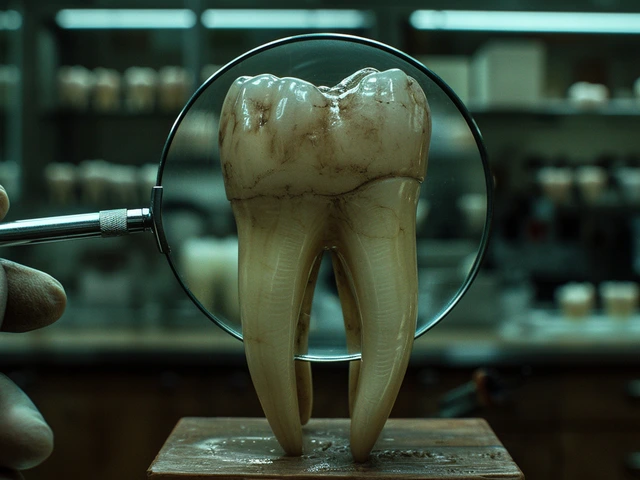
Not every cracked filling needs a full replacement. Sometimes, a simple repair — cleaning out the damaged area and adding new material — is enough. But if the crack goes deep, or decay has spread, you’ll need a new filling, an inlay, or even a crown. Your dentist will check with X-rays to see how far the damage went. Skipping this step is like patching a leaky roof without checking the attic — the problem just gets worse.
What you can do at home? Nothing that fixes it. Avoid chewing on that side. Don’t try to glue it back. Don’t use toothpaste with baking soda — it’s too abrasive. Just call your dentist. The sooner you act, the simpler and cheaper the fix. And remember: a well-placed filling isn’t just about stopping pain. It’s about keeping your tooth strong, your bite balanced, and your smile intact.
In the posts below, you’ll find real-life stories and practical advice from people who’ve been through it — whether it’s figuring out how long to wait before eating after a new filling, why some fillings fail faster than others, or how to tell if your old one is hiding decay. You’ll learn what really matters when choosing a material, when to replace versus repair, and how to avoid ending up back in the chair with a bigger problem. This isn’t theory. It’s what works.
prosince 8, 2025
Lenka Nováková
0 Komentáře
Fixní rovnátka jsou nejúčinnější metodou pro léčbu otevřeného skusu, který ovlivňuje žvýkání, mluvení a zdraví čelisti. Zjistěte, jak fungují, jak dlouho trvá léčba a proč je nezbytné začít včas.