Nasazení zubní mušky: Co to je a proč je důležité
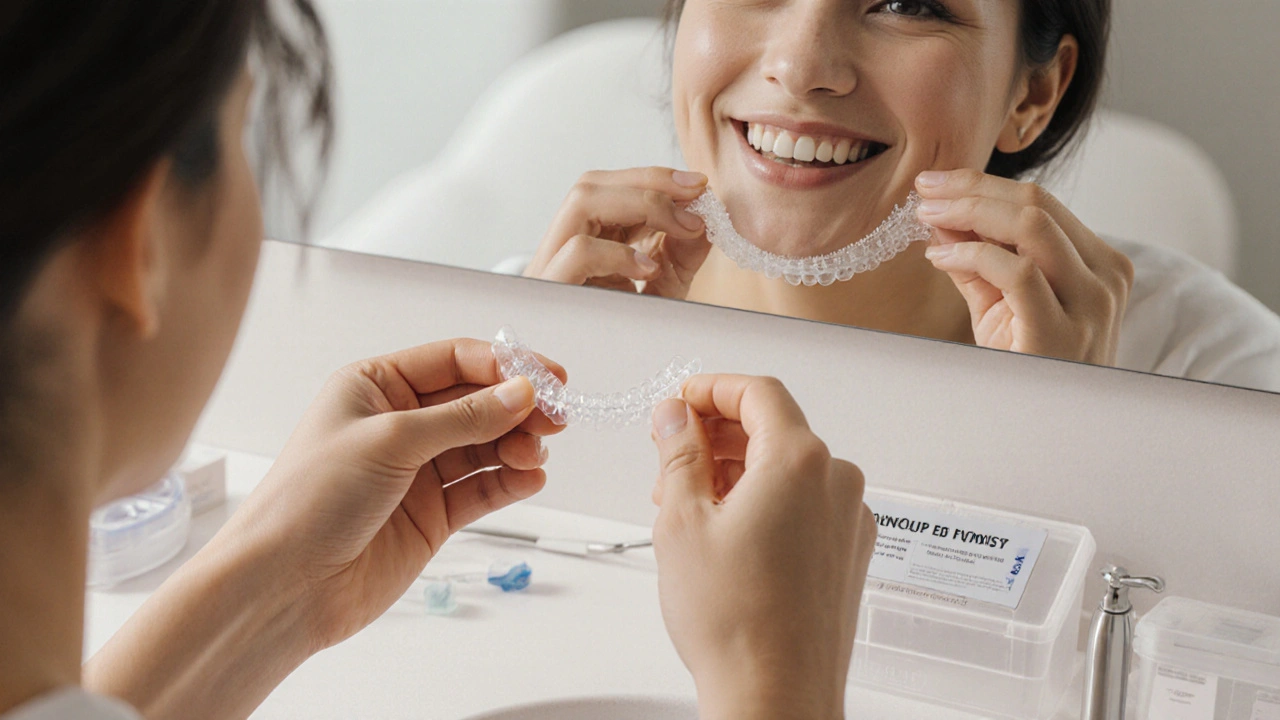
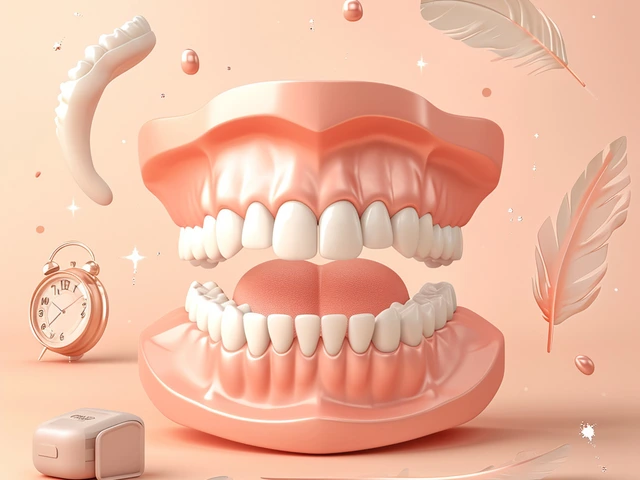
When you lose one or more teeth, your smile, chewing ability, and even speech can change. A zubní muška, přenosná zubní náhrada, která se nasazuje a sundává, obvykle z plastu a kovu, slouží jako dočasná nebo trvalá řešení pro ztracené zuby. Also known as částečná protéza, it is often the most affordable and least invasive option when you need to replace missing teeth without surgery. Unlike implants or bridges, a zubní muška doesn’t require altering healthy teeth or drilling into your jawbone. It simply clips onto your remaining natural teeth and fits snugly along your gumline.
Many people think zubní mušky are old-fashioned or uncomfortable, but modern designs are lightweight, nearly invisible, and much more stable than older versions. They’re especially helpful if you’ve lost a few teeth on one side of your mouth, or if you’re waiting for implants to heal. You can wear them while eating, talking, and even laughing — they’re designed to look natural and feel secure. The key is proper fit: a poorly made muška can rub your gums, cause sore spots, or even push your remaining teeth out of place over time. That’s why professional fitting by a dentist matters more than the price tag.
Keeping your zubní muška clean is just as important as brushing your natural teeth. Food and plaque build up quickly on the plastic and metal parts, leading to bad breath, gum inflammation, or even infections. You need to remove it daily, rinse it under water, and gently brush it with a soft toothbrush — never use regular toothpaste, it’s too abrasive. Soaking it overnight in a denture cleaner helps kill bacteria and keeps it fresh. And don’t forget your gums and remaining teeth — brush them twice a day, even if you wear a muška all day. Neglecting this leads to gum disease, which can make your muška loose or cause you to lose more teeth.
If you’ve been putting off replacing a missing tooth, a zubní muška might be the first step you need. It’s not just about looks — when you lose a tooth, your jawbone starts to shrink, and nearby teeth begin to shift. That can throw off your bite, make chewing harder, and even cause jaw pain. A muška holds the space, supports your facial structure, and helps you eat comfortably again. It’s not the only solution, but for many, it’s the smartest place to start.
Below you’ll find practical guides on how to care for your zubní muška, what to do if it breaks, how to adjust to wearing it, and how to avoid common mistakes that lead to discomfort or damage. Whether you’re new to prosthetics or have been wearing one for years, these posts give you real tips from daily practice — not theory.
listopadu 8, 2025
Ludmila Novotná
0 Komentáře
Zubní muška je moderní způsob, jak opravit zuby bez kovových držáků. Zjistěte, jak ji správně nasadit, kdy ji měnit a co dělat, když se nechce nasadit. Všechno, co potřebujete vědět o estetické ortodontii.